- 0 views
- By Caroline McNally
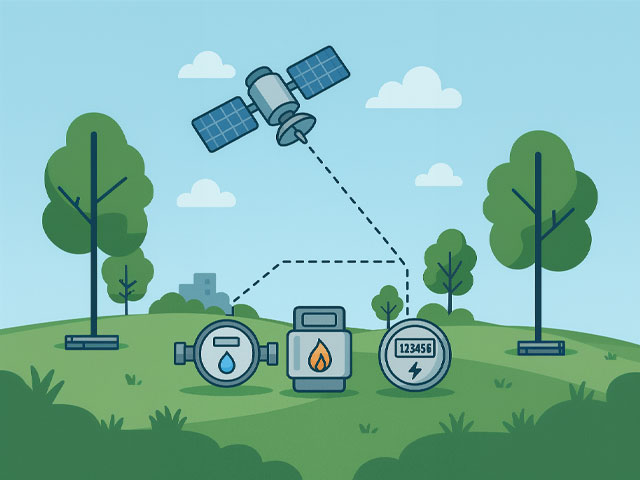
In a groundbreaking development, Zenner, EchoStar, and Semtech have introduced the first direct communication system connecting utility meters to satellites. This innovation marks a significant leap in how water, gas, and electric consumption data are collected, transmitted, and analyzed, especially in remote and underserved regions.
The Challenge of Traditional Metering Systems
Traditional utility metering systems often rely on cellular networks, drive-by collection methods, or manual readings, each with its limitations. These methods can be inefficient, costly, and sometimes inadequate for monitoring in remote areas where infrastructure is sparse or non-existent.
Introducing Satellite-Enabled Metering
The new system utilizes LoRaWAN®, a low-power, long-range communication protocol, to transmit real-time data from utility meters directly to satellites. This approach eliminates the need for cellular networks or local data collectors, enabling universal meter monitoring through satellite coverage, even in the most remote locations.
Key Benefits of Satellite-Enabled Metering
- Global Reach: Provides connectivity beyond traditional network infrastructure, ensuring data collection from meters in isolated areas.
- Cost-Effectiveness: Offers an affordable solution for both small and large utilities by reducing the need for extensive ground-based infrastructure.
- Low Risk of Obsolescence: The flexibility of LoRaWAN’s open-source standards ensures long-term viability and adaptability.
- Real-Time Insights: Enables immediate data transmission, allowing for timely decision-making and efficient resource management.
- Sustainable Monitoring: Enhances conservation efforts by providing accurate, reliable data without environmental disruption.
A Vision for the Future
This pioneering technology is set to transform utility management by providing reliable data from even the most challenging environments. As the system becomes commercially available in early 2026, it promises to usher in a new era of smart utility management, characterized by efficiency, sustainability, and inclusivity.
This advancement underscores the potential of satellite technology in bridging connectivity gaps and fostering smarter, more resilient infrastructure worldwide.


Related articles and news
 Infrastructure
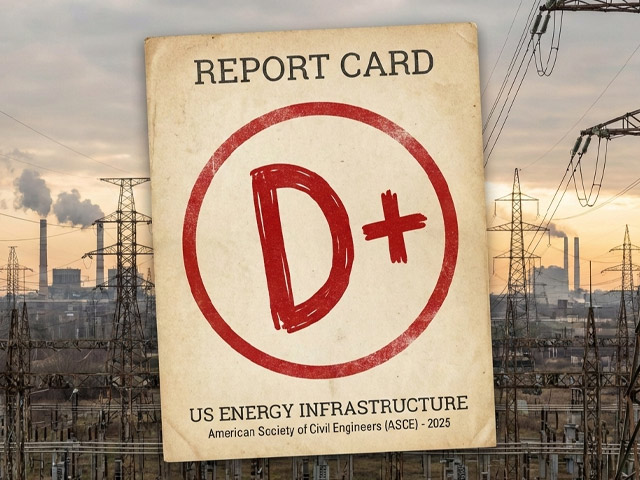
 America’s Aging Energy Infrastructure: Can the U.S. Avoid Another Downgrade?
The U.S. energy grid is under pressure like never before. Aging equipment, surging demand, and climate‑driven threats have pushed the nation’s energy …
Read more Innovation
 The Fiber Frontier: What 2026 Could Reveal About the Next Leap in Internet Technology
The world of fiber-optic connectivity is gearing up for a defining year in 2026. What was once viewed primarily as a faster alternative to copper broa …
Read more